Section 4

The Methodology in Practice

Five Movements from Beauty to Becoming

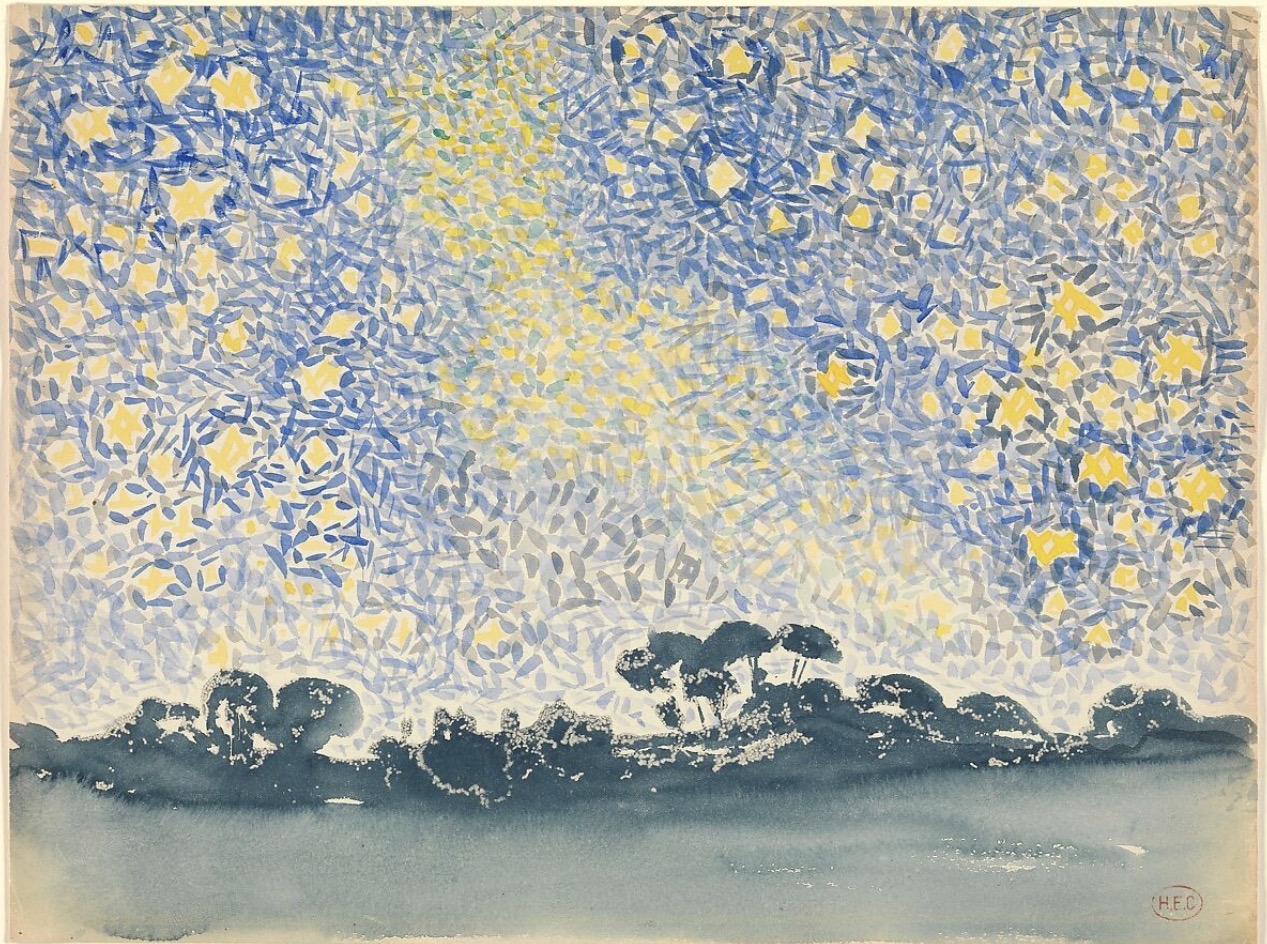
A blue-and-yellow watercolor night sky above a dark landscape
Attention gathers slowly, mark by mark.

Every formation experience in The Formed Leader follows a common methodology. It is not intended to prescribe a rigid sequence but to create conditions in which meaningful experience becomes an opportunity for whole-person integration.

Whether used alongside Leadership Circle, CCL, Crucial Conversations, or another leadership framework — or as a standalone formation experience — each experience is intentionally designed to deepen attention, expand perception, cultivate reflection, integrate learning through Body, Mind, Spirit, and Voice, and translate insight into sustainable practice.

In Practice

The Ruin and the Light

A Formed Leader Experience in Resilience & Reconciliation

EisnerAmper · Raleigh, North Carolina · 2026
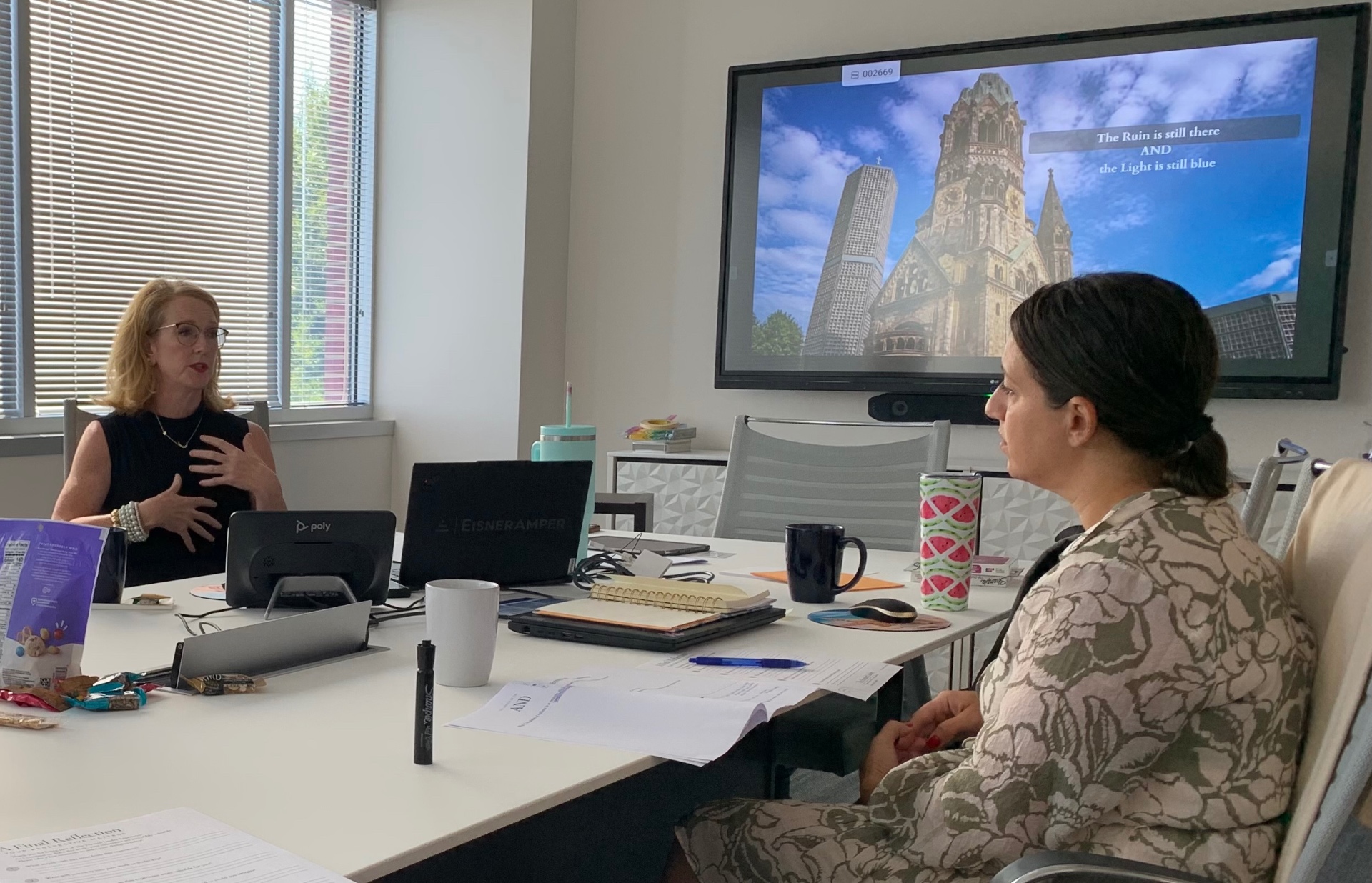
Amy Shortt facilitating The Ruin and the Light at EisnerAmper, with a participant and the Kaiser Wilhelm Memorial Church presentation visible
The Ruin and the Light at EisnerAmper in Raleigh, North Carolina.

Primary leadership question

How do we continue when something has changed?

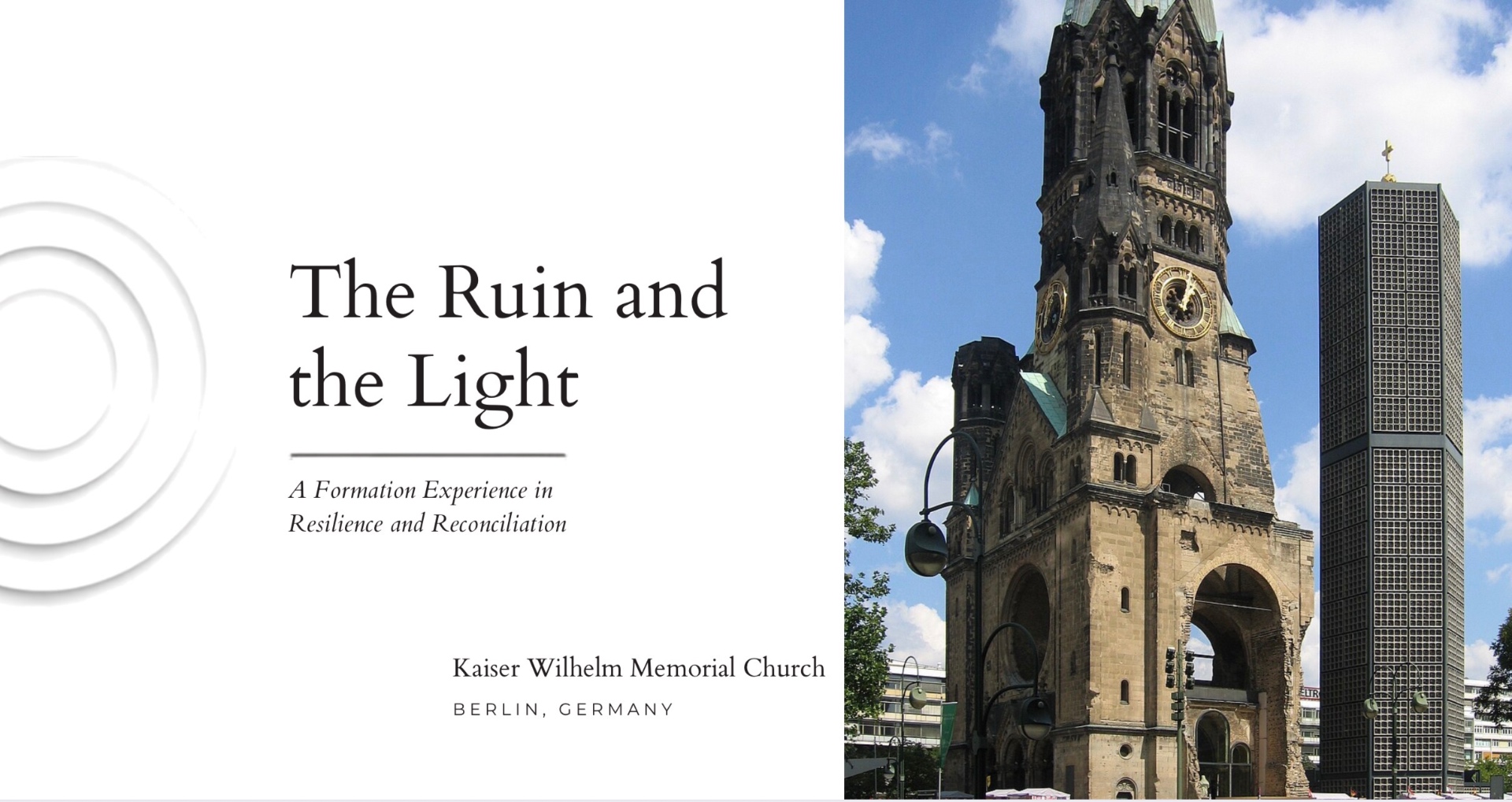
At EisnerAmper in Raleigh, leaders entered the story of Berlin’s Kaiser Wilhelm Memorial Church—a place that holds destruction and rebuilding, memory and possibility.

Through architecture, history, poetry, music, reflection, and facilitated dialogue, participants explored resilience not simply as bouncing back, but as the human capacity to recover and adjust—and reconciliation as the work of holding complexity rather than rushing to resolve it.

The experience invited participants not simply to learn about resilience, but to examine how they themselves meet change.
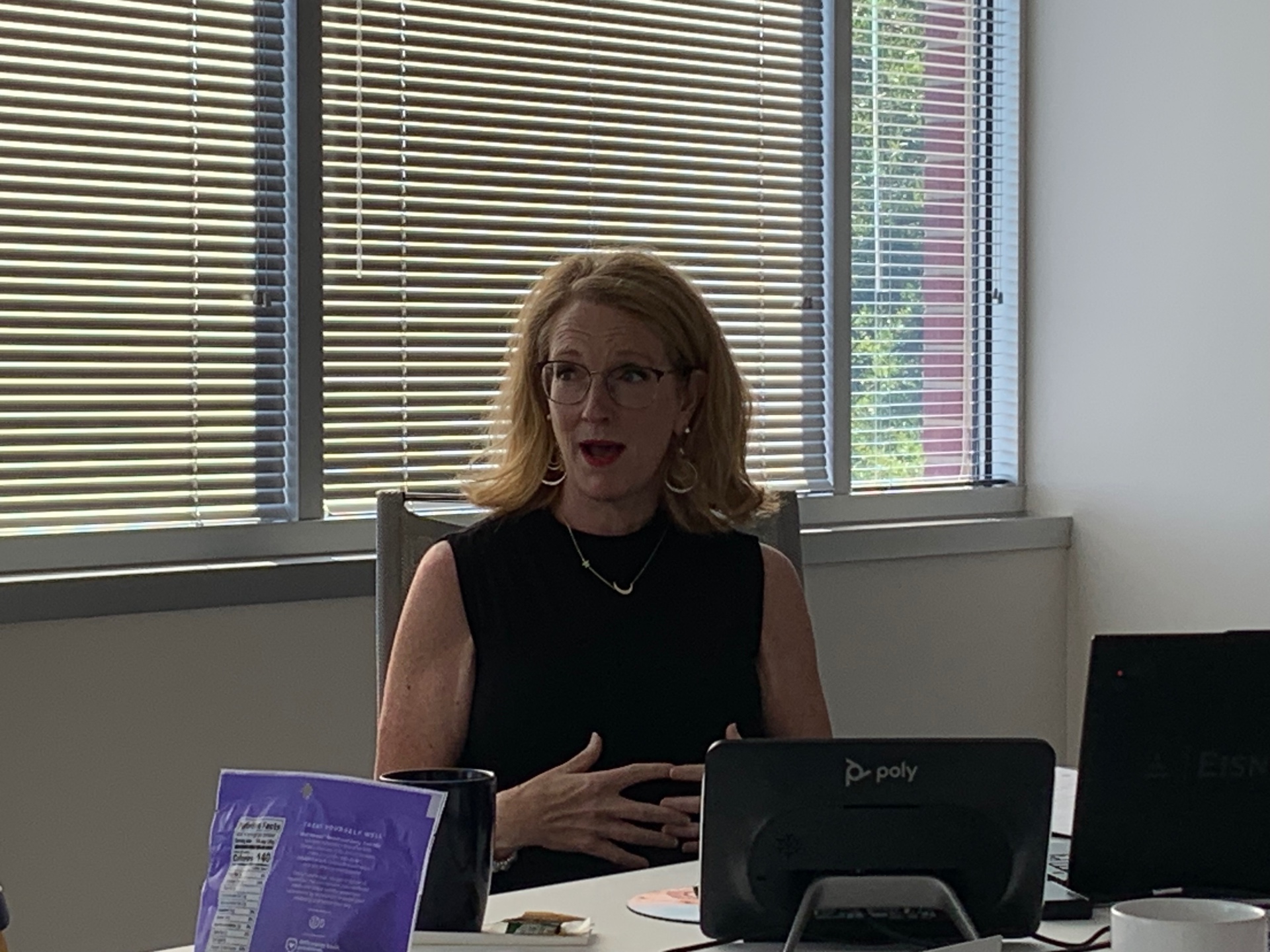
Amy Shortt facilitating a discussion at EisnerAmper
The Ruin and the Light: A Formation Experience in Resilience and Reconciliation

The Human Capacities

Resilience · Reconciliation · Adaptability · Discernment

The Encounter

Architecture · History · Poetry · Music · Reflection · Dialogue

  1. I

    Encounter

    A work of music, art, poetry, literature, film, architecture, nature, contemplative practice, or shared service becomes the catalyst. Participants are invited to experience it, not analyze it. Beauty opens what argument cannot.

  2. II

    Notice

    Before any interpretation, participants simply notice — what is happening in the body, what emotions arise, what thoughts and assumptions surface. Awareness precedes transformation.

  3. III

    Reflect

    Through journaling, silence, and shared dialogue, participants ask what the experience reveals about being human — and about themselves. Reflection turns experience into insight.

  4. IV

    Integrate

    The insight is examined through all four domains — Body, Mind, Spirit, and Voice — so that formation shapes the whole person rather than a single faculty.

  5. V

    Becoming

    Each experience ends not with an action item but with a single ongoing practice (e.g., Practice the Pause, Practice Hello, Practice Walking Beside). Character is formed through repetition, not information.

Five Questions Every Formation Experience Answers

What work of beauty will we encounter?

Opens perception

What human capacity are we cultivating?

Defines the formative aim

What is happening within us?

Builds awareness

How does this integrate Body, Mind, Spirit, and Voice?

Forms the whole person

What practice will shape us this week?

Extends formation into everyday life

Together, these five movements provide a repeatable methodology that can be adapted across diverse leadership contexts.